Keep the detail.
Record facts and events with their sources. Transcribe directly or bring in existing spreadsheet data.

Name & Place · History, connected
A name in a census. A family in a street. A life that touches others. There is more to discover when we bring the records together.
Name & Place helps you organise, connect and explore your local and family history research.
For one-place studies, one-name studies and local history.

The thinking behind Name & Place
Historical research rarely stays within the boundaries of a single family. Neighbours appear as witnesses. A house changes hands. The same people turn up in different records, at different moments in their lives.
Name & Place gives you a structure for bringing that evidence together. People and places are connected through sources, with room for the detail that makes each project its own.
How the idea beganLook beyond direct ancestors to families, neighbours and the wider community.
A house, a street, a parish. Understand where lives meet and how places change.
Keep the evidence behind each fact, event and connection close to hand.
The thinking behind Name & Place · 10 minutes
Our ancestors had neighbours, friends, workmates, landlords and employers. They lived in communities. Looking at those connections changes what we can ask of the records.
Paul explains why Name & Place grew out of his own research, and how bringing scattered evidence together can help us understand a person, a family or a whole place.
Filmed by Cholthicha Junpromma for Name & Place
From the record to the wider picture
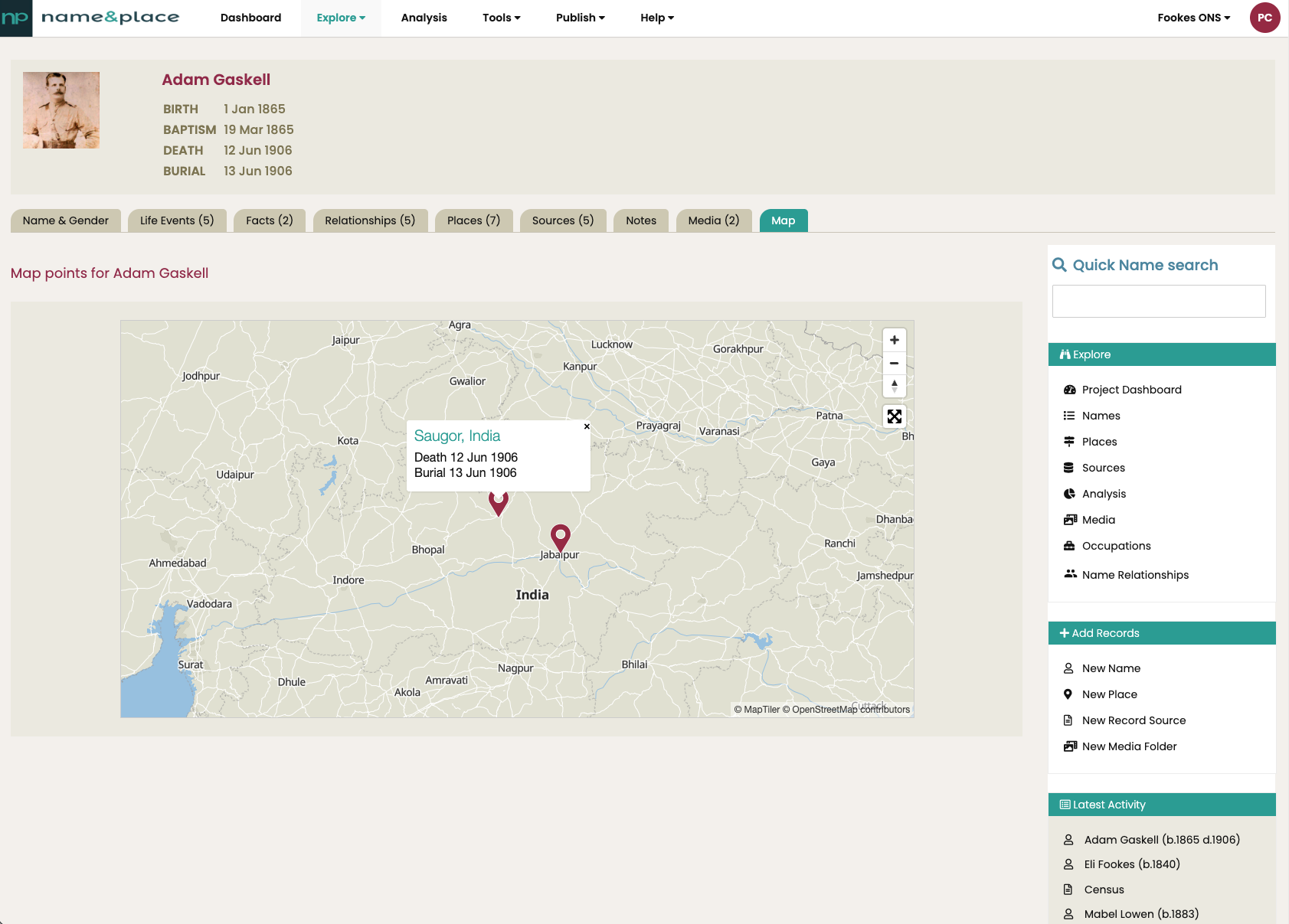
Bring your records into one project, then explore what they tell you about people and places over time.
Record facts and events with their sources. Transcribe directly or bring in existing spreadsheet data.
Move between a person, a place and the records that connect them. Build context as your project grows.
Use maps, reports and analysis to look for patterns and find questions worth pursuing.
Present selected findings through your project website and make connections with other researchers.
Your project, your questions
A place can be as small as a grave or as large as a town. A project can follow one surname or bring a whole community into view.
Bring together the people who lived, worked and passed through a village, street or parish.
Gather the records for a surname and its variants, across families and wherever the evidence leads.
A house, a school, a ship or a memorial. Give its people and records a shared research home.
Lives in context
A photograph may give us a face. Other records help us understand the relationships, places and experiences around that life.

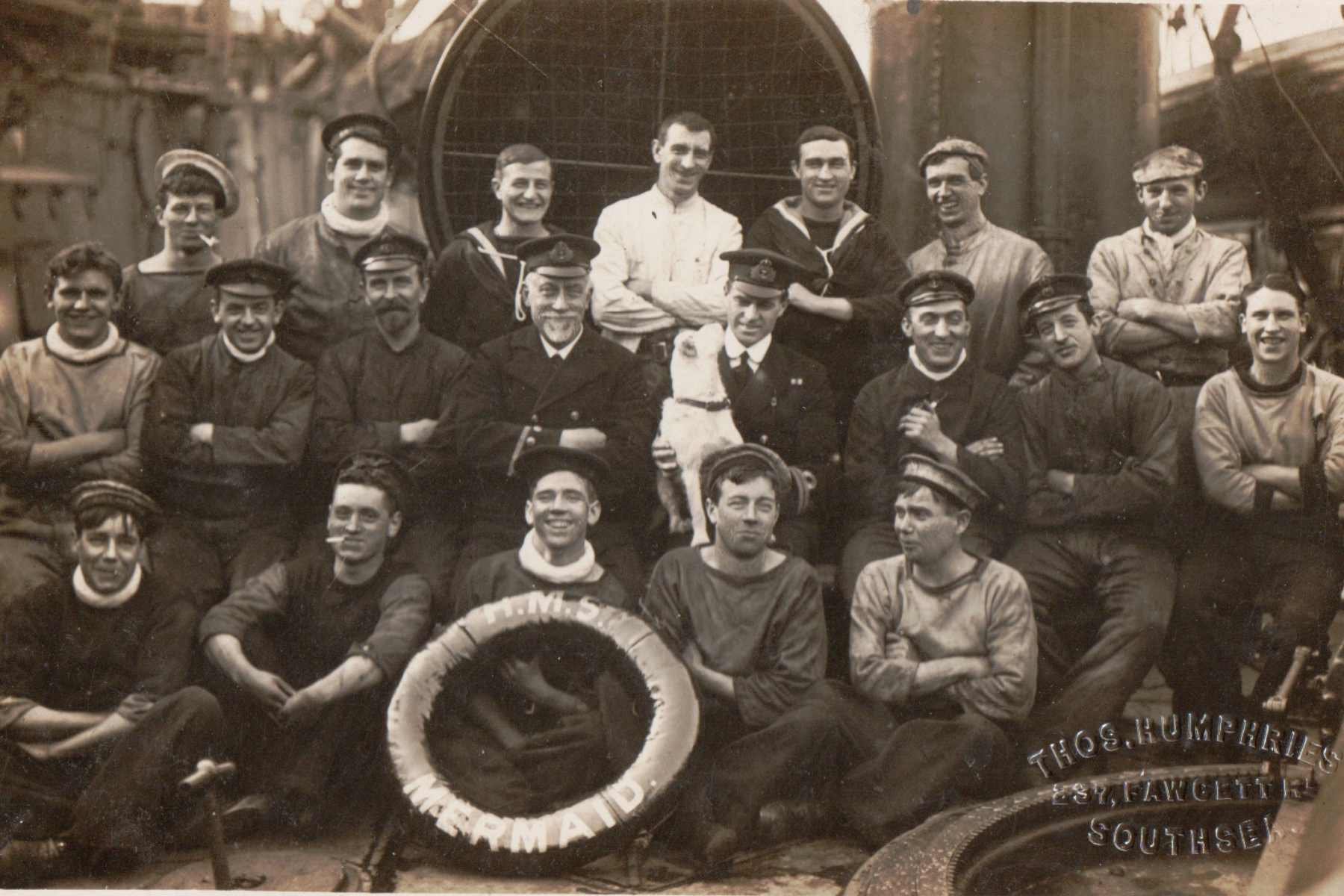

Photographs from Paul Carter’s family collection.

“The need was not only to manage data, but to understand what it revealed when people, places and records were considered together.”
Paul Carter · Creator of Name & Place
Make the connections
Bring people, places and sources into one research project.